


A better option
There is a growing focus on biopolymers and circular options for food packaging. Unfortunately, many biopolymers are challenging to process, require capital investment to existing lines and have inferior end-use performance.
Solus™ DBX can help address these challenges by:
- Improving paper adhesion
- Enabling faster coating speeds
- Reducing coat weight
- Lowering scrap rates compared with incumbent biopolymers alone
- Leveraging existing assets
Paper coatings made with Solus™ DBX are certified recyclable¹ and compostable,² helping keep materials out of landfills.
1Western Michigan University repulpability and recyclability certification.
2Solus™ is certified home and industrial compostable by TÜV Austria and industrial compostable by the Biodegradable Products Institute (BPI).

Key features

Recyclable
Compostable
Biobased

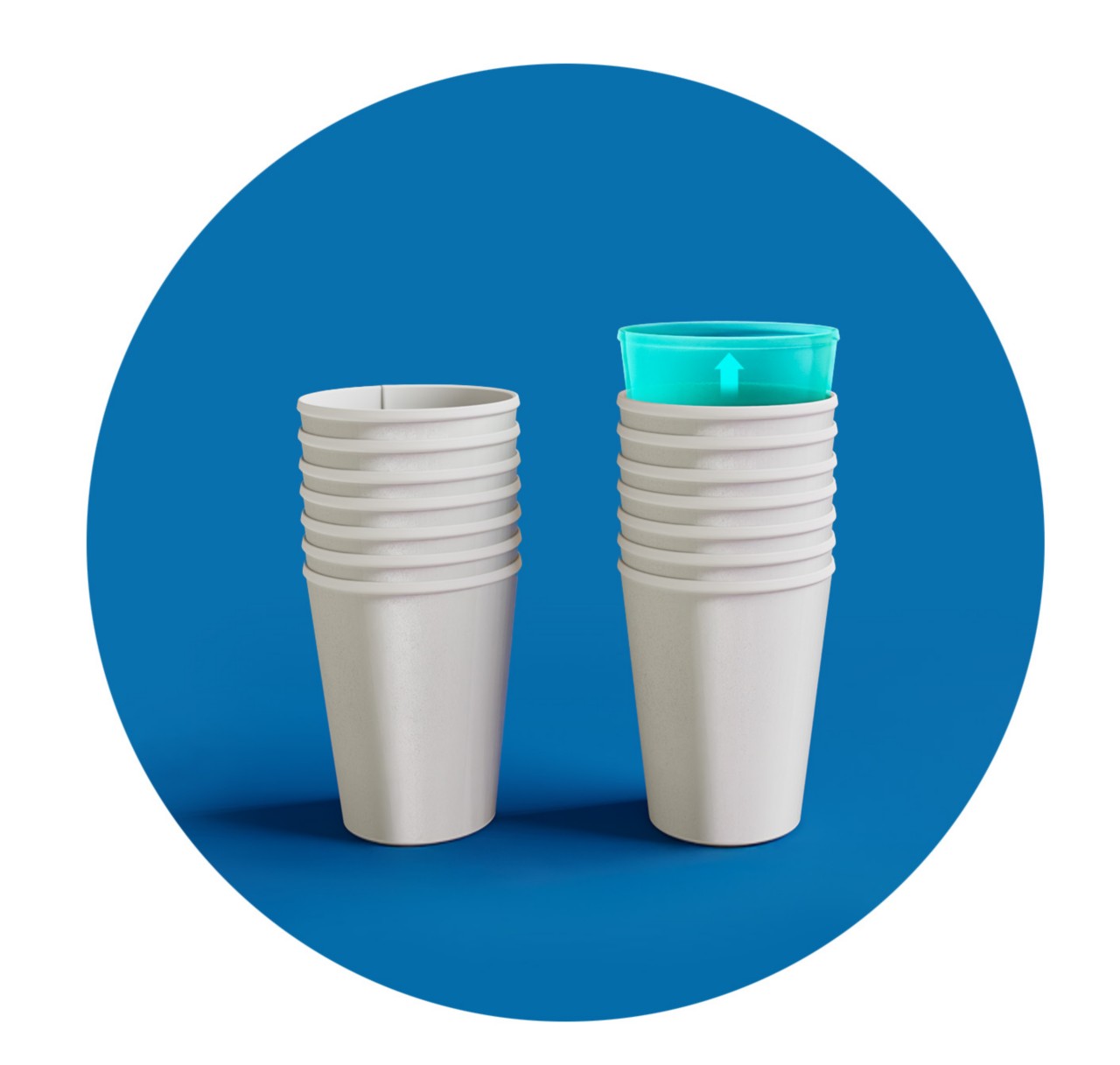
Increase productivity
Our Solus™ solution offers 10%–15% higher output compared to PLA (per thousand).
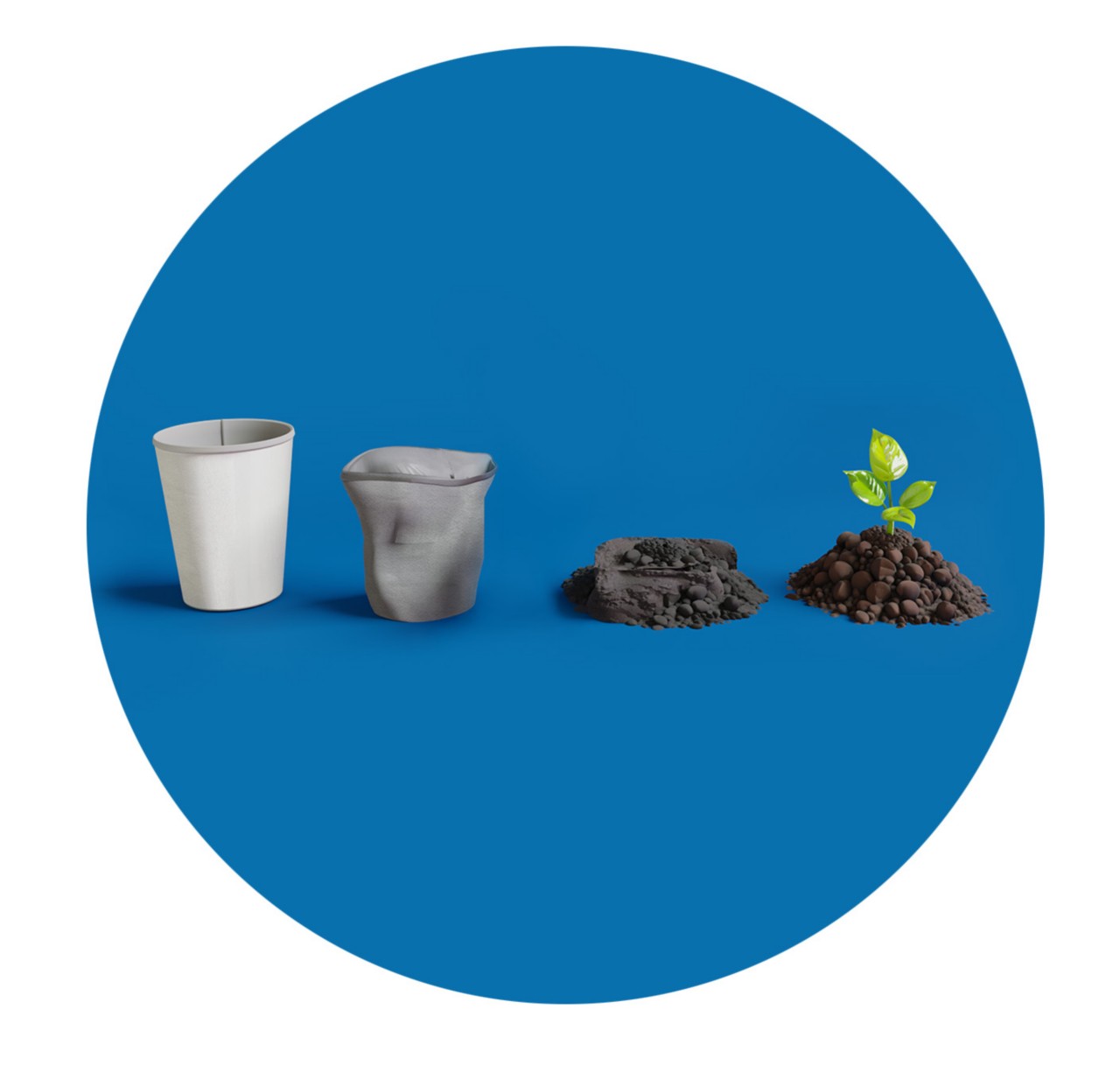
Leave nothing behind
Articles made with Solus™ biodegrade in months, while LDPE can take centuries.
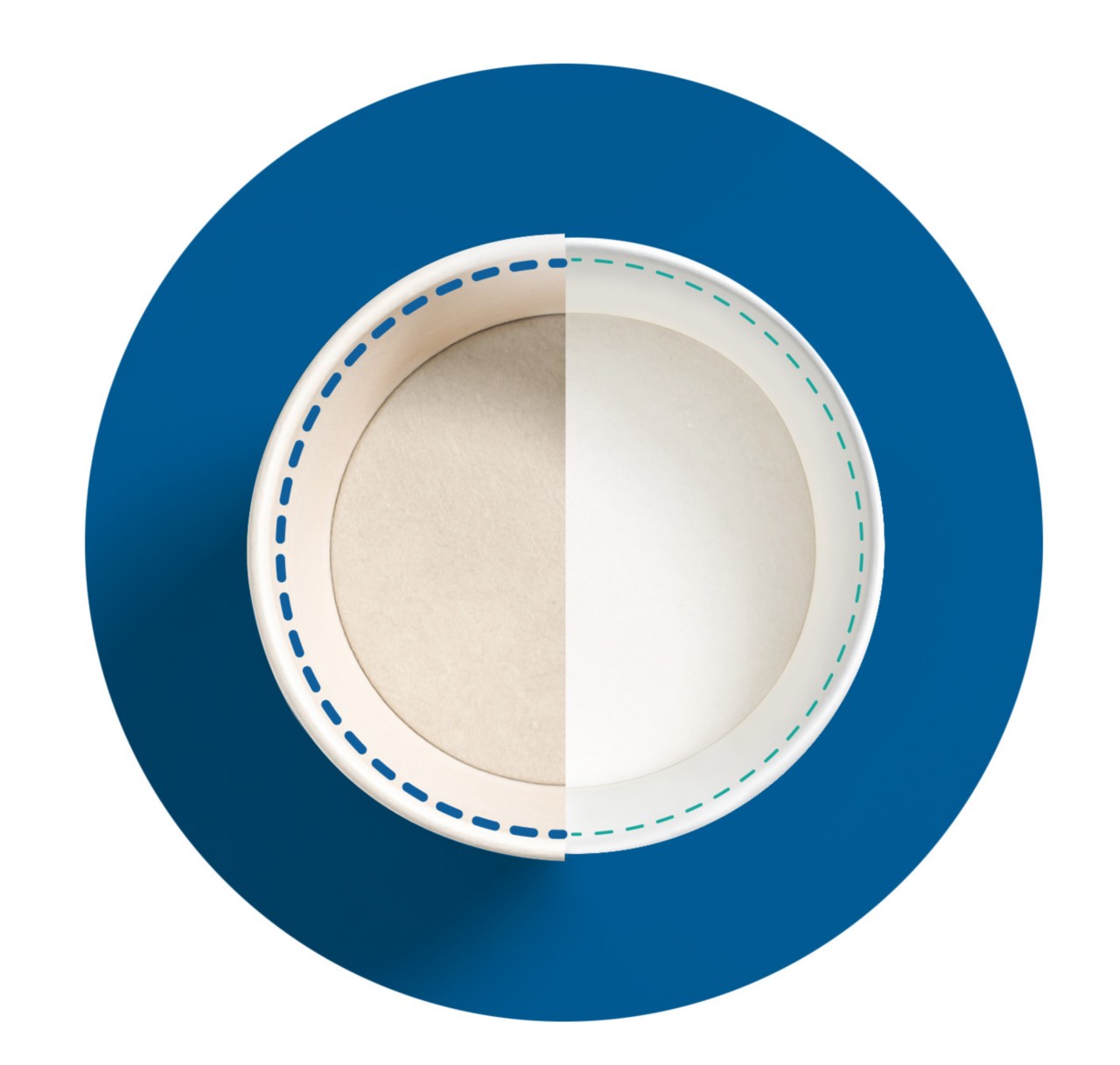
Downgauging
Enable coatings to be up to 50% thinner without compromising performance.


Testing and certifications
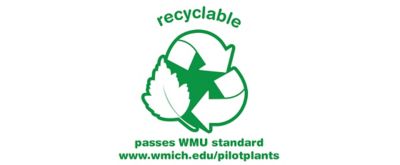
*Paper and Board — Recyclability Laboratory Test Method — Part I: Recycling mill with conventional process and evaluated acc. 4evergreen Fiber-Based Packaging Recyclability Evaluation Protocol, Version 1 (January 2025).

Be the change.
Eastman Solus™ gives brands, coaters and converters a competitive edge by simplifying processes and enabling high-performance coatings that help reduce waste and environmental impact.
Connect with an Eastman representative to explore what Solus™ can do.
Frequently asked questions
Solus™ is a biopolymer designed to provide improved adhesion to paper, grease and oil resistance, moisture resistance, heat sealing, flexibility, and resistance to barrier loss during folding or wrinkling at low coat weights. Performance must be validated for each specific paper structure and finished article.
Solus™ coating systems are designed for extrusion coating on conventional LDPE coating lines. Equipment configuration, die design, resin blend, coating weight, cooling conditions and operating parameters can affect results, so a line trial is recommended before commercial qualification.
A Solus™ coating system can generally be evaluated using existing LDPE extrusion-coating equipment, which can reduce the need for dedicated capital investment. Existing equipment must still be reviewed for compatibility, safety, quality and operating requirements.
Coating weights can be as low as approximately 6–8 gsm in some development work. The appropriate target depends on the substrate, barrier requirement, converting process and finished-product specifications.
Solus™ DBX is designed for better processability and adhesion. In select applications, this may support increased coating speed, lower coat weight and reduced processing losses. Actual line performance depends on the equipment, paper, formulation, operating conditions and quality targets.
Solus™ DBX coating systems are designed to provide heat-sealable paper structures with a broad processing window in selected applications. Seal temperature, dwell time, pressure, tooling, coating weight and paper structure must be optimized for each article.
Solus™ DBX coating systems are designed to help maintain barrier integrity during selected folding and wrinkling conditions. Converters should test the finished article using the relevant leakage, grease, moisture and mechanical-performance methods for the intended application.
Solus™ DBX coated paper is intended for conversion using conventional paper-packaging equipment, subject to the requirements of the specific article. Converters should validate forming, cutting, creasing, folding, sealing, stacking and handling on their own equipment.
Solus™ may support lower total article cost through improved processability, lower coating weight, reduced scrap and the ability to use existing coating equipment. Actual economics depend on resin prices, paper selection, coating weight, line productivity, conversion efficiency and the finished article.
The appropriate end-of-life claim depends on the complete package, applicable certification or testing, and the availability of collection and processing infrastructure in the market where the package is sold. Recyclability and compostability certification at the resin level is available on request.
Depending on the exact formulation, Solus™ DBX can be 60%–98% biobased. Contact Eastman for product-specific information for a proposed application.
Operating conditions are application specific. Eastman can work with the coater to establish appropriate resin preparation, extrusion, die, chill-roll, coating-weight and web-handling conditions. Customers should use the applicable technical data, safety data and processing guidance for the selected product. An extrusion guide is available on request.
Good starting points are applications requiring paper conversion, heat sealing, grease resistance and low- to medium-barrier performance. Examples may include food-service paperboard cups, trays, bowls, containers and selected flexible paper packages. Applications requiring high oxygen or moisture barrier may require a different multilayer structure or additional development.
Solus™ DBX helps brands explore paper-based packaging that balances performance, operational compatibility and more than one potential end-of-life pathway. It offers brands an alternative to conventional plastic or other biopolymer-coated structures, subject to application-specific qualification.
Yes. Eastman works with coaters, converters, brands, paper suppliers and other value-chain partners to support laboratory evaluation, pilot trials, processing assessments and qualification planning.